
Cold Weather, Great Style
The Simple Three-Layer Formula for Staying Warm, Comfortable, and Stylish All Winter
*This post contains affiliate links. If you purchase through any of these links, I may earn from qualifying purchases at no additional cost to you. Thank you for supporting Living Layered.
Winter dressing is about so much more than finding a warm coat. After living in colder climates for awhile now, I’ve learned that the real secret to staying comfortable through winter is knowing how to layer. One day might be cold and windy, the next brings snow, and then there are those afternoons when you’re bundled up outside only to walk into an overheated store or restaurant. After spending four years living in Germany, where we explored cities, wandered through Christmas markets, and spent plenty of time outdoors during the colder months, and now living in the northeast I came to appreciate clothing that was both practical and stylish.
I love a beautiful sweater, a classic coat, and a great pair of boots, but what you wear underneath can make just as much difference as the pieces everyone sees. The goal isn’t to pile on as many clothes as possible. It’s to choose the right layers so you stay warm without feeling bulky, restricted, or overheated. And the best part? Once you understand how layering works, you can create countless winter outfits using many of the pieces already in your closet.
The Secret to Staying Warm: Three Essential Winter Layers
The easiest way to think about winter dressing is in three parts:
BASE LAYER + MID LAYER + OUTER LAYER = YOUR WINTER OUTFIT
Each layer has a different job. The key is choosing the right combination for the weather and what you’ll be doing. Each serves a different purpose, and when they work together, you can stay comfortable in changing temperatures without needing an excessively heavy coat.
Base Layers: The Foundation You Don’t See
Your base layer is the clothing closest to your skin. Its job is to manage moisture, help regulate your temperature, and provide a comfortable foundation without adding unnecessary bulk.
What makes a good base layer?
- Merino wool: Naturally insulating, breathable, and moisture-wicking.
- Synthetic performance fabrics: Lightweight, quick-drying, and excellent for active days.
- Silk thermals: Thin, smooth, and ideal for layering beneath everyday clothing.
- Thermal leggings: An easy way to add warmth beneath jeans, trousers, or ski pants.
*Living Layered Tip: Avoid cotton base layers for extended outdoor activities. Cotton absorbs moisture and dries slowly, which can leave you feeling cold. The goal is a lightweight, close-fitting layer that keeps you comfortable without changing the look of your outfit.

Link: [Black Thermal Set ]| [White Thermal Set ]
Mid Layers: Where Warmth Meets Style
This is my favorite part of winter dressing because it’s where you can really have fun with texture, color, and personal style. The mid layer provides insulation by trapping warm air close to your body. Depending on the weather, it might be a lightweight sweater, a chunky knit, a fleece jacket, or even a thin insulated vest.
My favorite mid-layer options include:
Merino wool sweaters: Warm, breathable, and easy to layer beneath coats.

Link: [Brown 100% Merino Wool Cable Crewneck Sweater] | [ Irish Multi Cabled Raglan Merino Wool Sweater ]
Cashmere and wool-blend knits: Beautiful options for polished everyday outfits.
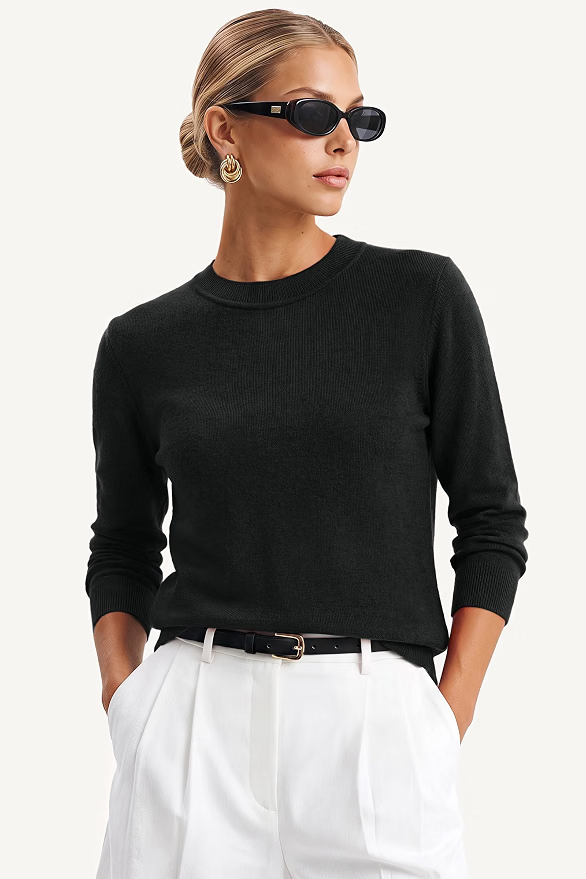
Link: [ Black Blend Sweater ]
Cable-knit sweaters: A classic winter staple that adds texture and interest.
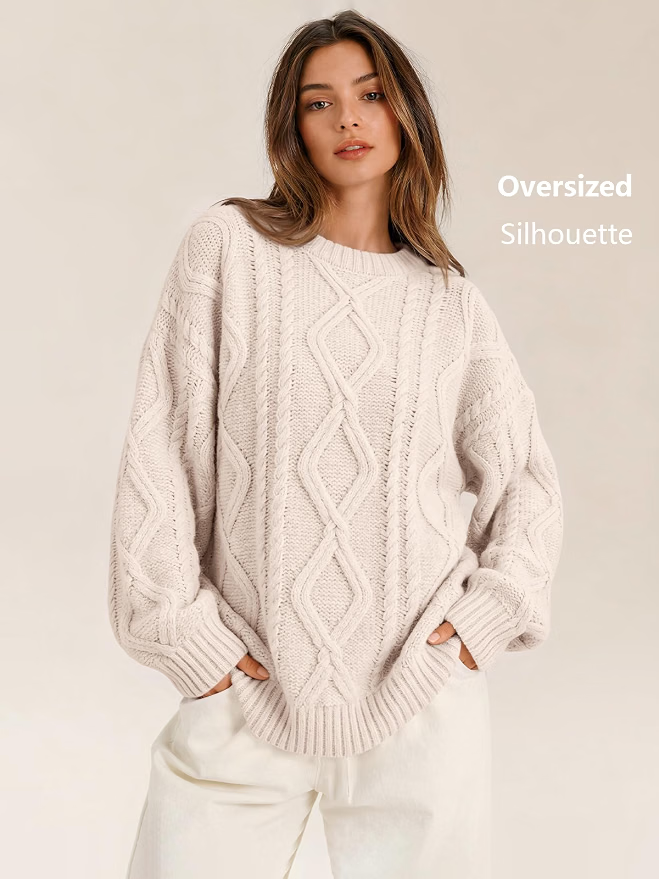
Link: [ Cable Knit Sweater ]
Fair Isle sweaters: Perfect for winter travel and seasonal outings without looking overly festive.

Link: [ Fair Isle Sweater Brown ]
Fleece and sherpa jackets: Comfortable choices for casual weekends and outdoor activities.

Link: [ Cream Fleece Zip Up ] | [Brown Fleece 1/4 Zip ] | [ Brown Polka Dot Fleece 1/4 Zip ]
Lightweight insulated vests: Helpful when you need additional core warmth without bulky sleeves.

Link: [ Green Lightweight Water-Resistant Packable Puffer Vest ] | [ Black Ultra-Light Down Alternative Water-Repellent Packable Puffer]
One thing I’ve learned is that a thicker sweater isn’t always warmer than several thoughtfully chosen layers. A thin merino base layer beneath a medium-weight sweater can be more comfortable and versatile than wearing one oversized, heavy knit. It also makes it much easier to adjust when you move indoors.
*Living Layered tip: Think about the fit of your coat when choosing a sweater. A beautiful chunky knit isn’t very practical if your coat becomes tight across your shoulders or arms.
Outer Layers: Your Protection Against the Elements
A winter coat does more than complete an outfit. It’s your protection against wind, snow, rain, and freezing temperatures. Living in the Northeast, I think it’s worth having more than one type of winter coat because not every winter day calls for the same level of protection. Your jacket should match the conditions. What I look for:
Wool coats for polished, dry-weather outings – For city outings, dinners, shopping, and occasions when I want something a little more polished, a beautiful wool coat is hard to beat. A belted style adds shape, while a simple tailored silhouette can be worn for years. For wet, windy, or extremely cold conditions, however, a wool coat may not provide the same protection as a properly insulated, weather-resistant jacket.

Link: [ Black Wool Blend Coat ] | [ Brown Wool Blend Coat ]
Long insulated puffers for freezing temperatures – This is the practical workhorse of a winter wardrobe. A longer coat provides additional coverage for your hips and legs, which makes a noticeable difference when walking outdoors on particularly cold days. Look for a comfortable hood, wind-resistant construction, and enough room to layer underneath.

Link: [Blue Long Puffer Jacket ] | [ Green Long Puffer Jacket ] | [ Grey Long Puffer Jacket ]
Shorter insulated jackets for everyday wear – Perfect for running errands, driving, and those days when you don’t need a full-length coat. I especially like shorter puffers with wide-leg jeans because the proportions feel balanced.

Link: [Blue 600 Down Puffer Jacket ] | [ Taupe Packable Lightweight Puffer Jacket ]
Waterproof, windproof jackets for skiing, snow, and wet weather – For sleet, wet snow, or windy conditions, a protective shell over an insulating mid layer can be more useful than a fashionable coat alone.

Link: [ White Ski Jacket ] | [ Black Ski Jacket ]
*Living Layered tip: A thick coat isn’t necessarily waterproof or windproof. Choose your outer layer based on the conditions, not just how warm or stylish it looks.
The Secret to Layering Without the Bulk
You don’t need three heavy pieces. In fact, the best winter outfits often combine thinner layers that work together. Keep these simple rules in mind:
- Start thin. A fitted base layer should sit smoothly underneath everything else.
- Add warmth where you need it. A sweater, fleece, or insulated vest provides the insulation.
- Choose the right coat. A wool coat works for a dry city afternoon, while a waterproof jacket is better for wet snow.
- Balance your proportions. Pair chunky knits with streamlined bottoms or shorter jackets with wider-leg jeans.
- Make it easy to adjust. You should be able to remove a layer when you head indoors.
And remember, you don’t always need all three layers. A mild winter day might only require a sweater and coat, while a freezing day outdoors calls for the complete system.
Don’t Forget the Accessories: Small Layers Make a Big Difference
You can wear a wonderful coat and still feel cold if your hands, feet, head, and neck aren’t properly protected. These are the pieces I pay particular attention to when dressing for winter travel or spending an afternoon outdoors:
Warm Hats That Actually Cover Your Ears – knit hat is one of the simplest ways to add warmth, and it can make an outfit look more finished. I like classic ribbed beanies, cable-knit hats, and the occasional pom-pom style for a casual winter look. For especially cold weather, choose a hat with a wool blend, fleece lining, or other insulating construction that covers your ears.
Scarves: Practical and Beautiful – A scarf is one of my favorite winter accessories because it can completely change the appearance of an outfit. A neutral scarf softens a black coat, while a plaid scarf adds color and interest to a simple sweater. For warmth, look for wool, cashmere, fleece, or other insulating materials. I particularly like oversized scarves because they can be wrapped around the neck or pulled higher over the face when the wind picks up. Just be careful not to choose something so bulky that it becomes uncomfortable underneath your coat.
Gloves That Keep Your Hands Warm and Your Phone Accessible – Touchscreen-compatible gloves are one of those little conveniences I appreciate, especially when traveling. There’s nothing worse than having to remove your gloves every time you want to take a picture, check directions, or use your phone. For everyday wear, lined touchscreen gloves may be enough.
For colder temperatures, insulated gloves or mittens with wind-resistant and water-resistant materials are a better choice. Mittens generally keep fingers warmer because they share heat.
Wool Socks: An Essential I Wouldn’t Skip– Warm socks can make an enormous difference in winter comfort. Merino wool socks are especially useful because they provide insulation while helping manage moisture. I prefer socks that are warm without being excessively thick. If your boots become too tight, you can actually reduce circulation and make your feet colder. For everyday winter boots, a medium-weight merino wool blend is a great place to start. For snow boots or prolonged outdoor activities, a thicker cushioned pair may be more appropriate.
The Right Boots for the Weather
I think of winter footwear in two categories:
Everyday boots: Chelsea boots, leather ankle boots, and other comfortable styles for errands, shopping, and city outings.
Weather-ready boots: Insulated, waterproof boots with dependable traction for snow, slush, and icy conditions.
I love a beautiful pair of Chelsea boots, but I wouldn’t choose an ordinary fashion boot for a snowy afternoon simply because it coordinates with my outfit. Comfort, warmth, and traction should come first. And remember, even winter boots can’t guarantee traction on ice. For particularly icy conditions, appropriate traction aids may be necessary.
Winter Outfits That Put Layering Into Practice
Now that we’ve covered the essentials, here are some outfit combinations that bring everything together. Each look is built around versatile winter pieces, with different levels of warmth depending on where you’re going and what you’re doing.
1. Christmas Market Chic – A Warm, Stylish Look for Winter Travel

For Christmas markets, the footwear is especially important. You can spend hours standing and walking, often on uneven cobblestones. I would choose comfortable, insulated boots with good traction over anything with a fashionable heel. This is also where a thin thermal layer really earns its place. It provides warmth without requiring an excessively bulky sweater.
Shop the Look: [Christmas Market Chic]
2. The Viral Sweatpant Jeans Outfit – Comfortable, Casual Winter Style for Everyday Wear

For everyday errands, I might skip the thermal layer altogether depending on the temperature.
The shorter jacket also works particularly well with wide-leg jeans because it keeps the outfit balanced.
Shop the Look: [ Viral Sweatpant Jeans Everyday Look ]
3. Cold-Weather City Style – A Timeless Black Outfit for Winter Days in the City

A classic black coat is one of those pieces that never really goes out of style. For especially cold days, I would add a thin thermal layer underneath the jeans or choose warmer-lined pants. This is also a great example of why accessories matter. The scarf adds warmth and style without needing another bulky layer. If the forecast calls for snow or freezing rain, I would swap the wool coat and fashion boots for more weather-appropriate options.
Shop the Look: [ Cold Weather City Style ]
4. Après-Ski Weekend – Cozy Winter Layers for Mountain Getaways and Relaxed Weekends

This is the outfit I would choose for a cozy winter weekend, a mountain getaway, or a casual afternoon when comfort is the priority. The important thing to remember is that sherpa and fleece are generally insulating mid layers, not necessarily protective outerwear. For a quick outing on a dry, mild winter day, a fleece jacket might be enough. But for wind, snow, or freezing temperatures, I would add a weather-resistant coat.
Shop the Look: [ Après-Ski Weekend ]
5. Winter Neutrals Done Right – An Effortlessly Polished Look in Cream, Camel, and Taupe

What makes this outfit work is the combination of textures. The ribbed sweater, quilted coat, soft scarf, denim, and suede-look boots all add dimension. And don’t put away your white or cream jeans just because summer is over. They look beautiful paired with winter knits and neutral outerwear. For snowy or slushy days, I would simply switch to waterproof boots.
Shop the Look: [ Neutrals Done Right ]
What Living in Germany and the Northeast Taught Me About Winter Dressing
When we lived in Germany, winter outings often meant spending hours outside. Whether we were exploring a Christmas market, visiting a nearby village, or walking through a city, comfort mattered just as much as appearance. And now, living in New Jersey, I find myself using many of those same principles.
I want clothing that can handle cold mornings, windy afternoons, and the occasional snowstorm, but I also want pieces that look good for everyday life. I’ve learned that the best winter wardrobe isn’t necessarily the one with the most clothes. It’s the one where everything works together. A good thermal layer, a few beautiful sweaters, practical coats, comfortable boots, and the right accessories can take you through most winter activities without constantly needing something new. And when you’re traveling, that becomes even more valuable because you can pack fewer pieces and create multiple outfits.
Winter Style Should Be Warm, Comfortable, and Work Together
I don’t believe staying warm means giving up your personal style. The key is understanding how to layer properly, choosing pieces that work together, and dressing for the weather and your plans. A few versatile base layers, quality sweaters, a comfortable fleece, an insulated vest, and the right outerwear can create countless combinations. The trick is to think about what you’re doing, how cold it will be, and whether you’ll be active or standing outdoors for long periods. Because the best winter outfit isn’t just the one that looks good in a photograph. It’s the one that keeps you comfortable enough to enjoy whatever the day brings.
Shop My Winter Layering Essentials
I’ve gathered winter sweaters, coats, thermal layers, scarves, gloves, boots, and other cold-weather favorites in my Living Layered storefront for you to shop all in one place.
Shop My Winter Layering Favorites
Planning a European Winter Trip?
For more travel and packing inspiration you might also enjoy my articles:
And I’d love to know—what’s your favorite winter layering piece? A cozy fleece, beautiful sweater, quilted vest, or a coat you wear everywhere? Share it in the comments!
Discover more from
Subscribe to get the latest posts sent to your email.


